
Become Septic Tank Savvy: A Comprehensive Guide
October 22, 2023 · Alpha Omega Plumbing Inc
Thousands of O'ahu homes rely on septic systems rather than municipal sewer connections. Understanding how your system works — and what it needs to keep working — can save you from expensive repairs and unpleasant surprises.
How a Septic System Works
A septic system is a self-contained wastewater treatment system that operates independently of the municipal sewer. It has three main components:
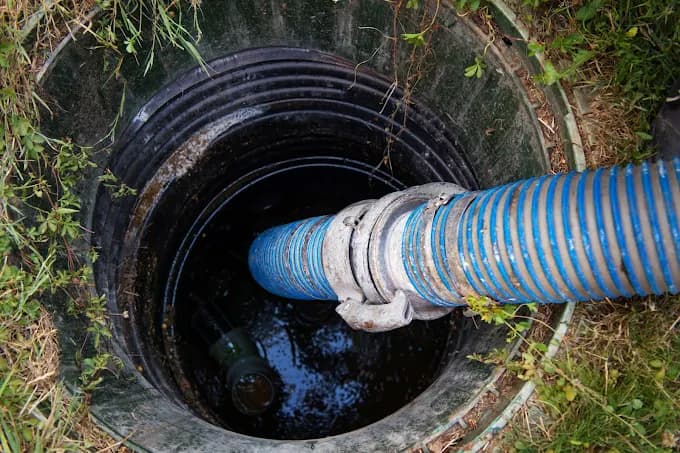
The septic tank receives all wastewater from the home. Solids settle to the bottom as sludge, oils and grease float to the top as scum, and the liquid in between (effluent) flows out to the drainfield.
The drainfield (also called a leach field) distributes the effluent into the surrounding soil through a network of perforated pipes. The soil filters and treats the liquid before it rejoins the groundwater.
The soil itself provides the final stage of treatment through natural biological and physical processes.
Types of Septic Systems
Traditional anaerobic systems are the most common — they rely on naturally occurring bacteria to break down waste without requiring mechanical intervention.
Aerobic treatment units (ATUs) introduce oxygen into the process, which accelerates bacterial activity and produces a higher quality effluent. These are often required in areas with sensitive soils or limited drainfield space.
How to Know When Your Tank Needs Pumping
The general recommendation is to pump a residential septic tank every three to five years, depending on household size and usage. But certain warning signs indicate the tank needs attention sooner:
Slow drains throughout the house (not just one fixture) suggest the tank may be approaching capacity.
Sewage odors inside the home or near the drainfield indicate gases escaping where they shouldn't.
Soggy or unusually lush patches of grass over the drainfield can mean effluent is surfacing — a sign of system failure.
Any sewage backup in the home is an emergency requiring immediate service.
Septic Maintenance Do's and Don'ts
Do schedule professional inspections every one to three years. Do use septic-safe cleaning products. Do conserve water — high usage overloads the system.
Don't flush non-biodegradable items: wipes (even 'flushable' ones), feminine products, paper towels, or medications.
Don't pour grease, cooking oil, or harsh chemicals down the drain. These kill the beneficial bacteria that make your system work.
Don't drive or build over the drainfield — this compacts the soil and damages the pipes.
Choosing a Septic Service Provider
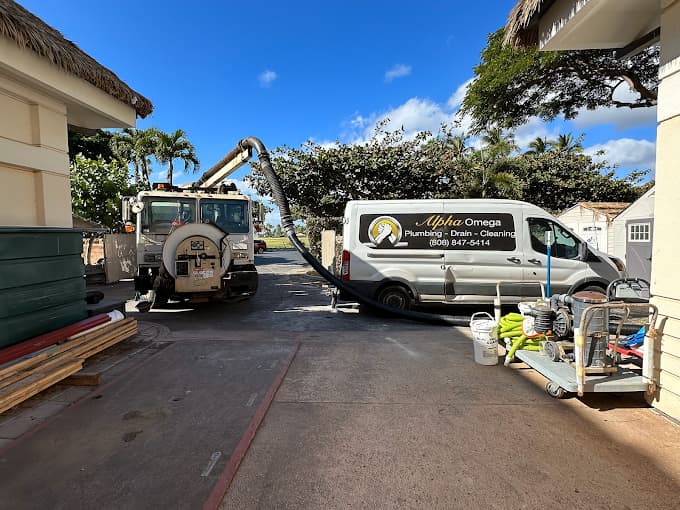
When it's time for a pump-out or inspection, choose an insured, experienced provider. Alpha Omega Plumbing and Septic offers comprehensive septic services across O'ahu — pumping, inspections, repairs, and full system installations. Our team is available 24/7 for emergencies.
Frequently Asked Questions
How often should a septic tank be pumped in Hawaii?
The general recommendation for residential septic tanks in Hawaii is every three to five years, depending on household size and water usage. High water use or a large household may require more frequent pumping. If you notice slow drains, sewage odors, or soggy patches over the drainfield, schedule an inspection sooner regardless of the last pump date.
What are the signs my septic system is failing on O'ahu?
Key warning signs include slow drains throughout the house (not just one fixture), sewage odors inside or outside near the drainfield, unusually green or soggy grass over the drainfield area, and any sewage backup into the home. These symptoms indicate the tank is near capacity or the drainfield is compromised — call a licensed septic service immediately.
What should I never flush into a septic system?
Never flush wipes (including those labeled 'flushable'), feminine hygiene products, paper towels, medications, cooking grease, or harsh chemical cleaners into a septic system. These items kill the beneficial bacteria that break down waste, disrupt the system's function, and can cause premature failure of the tank or drainfield.
How does a septic drainfield work in Hawaiian soil?
A septic drainfield distributes liquid effluent from the tank through perforated pipes into the surrounding soil, which filters and treats the waste through natural biological processes. In Hawaii, soil composition and rainfall levels vary significantly by location — Windward O'ahu's high rainfall and clay-rich soils can stress drainfields more than drier leeward areas, making proper system sizing and maintenance especially important.
Learn more about our Septic Systems services on Oʻahu
View Service →Alpha Omega Plumbing Inc
Serving all of O'ahu since 2014.
Need a Plumber on O'ahu?
Insured and available 24/7 for emergencies across the island.